
"20th century coffee"
500 article(s) found

The irresistible unique charm of cappuccino coffee
At the beginning of the 20th century, when the Italian Azibucha invented the steam pressure coffee machine, he also developed cappuccino coffee. Cappuccino is an Italian coffee mixed with the same amount of espresso and steamed milk, the color of which is like a cappuccino monk covering a dark brown coat, hence the name caffeine. Tradition

Celebrities and coffee, how much do you know?
Gabriel de Klee, a French military officer, planted the first coffee tree in Matinique. There were 18 million coffee trees in Martinique in 1777, some of which were shipped to Haiti, Santo Domingo and Guadeloupe Voltaire. French historian and philosopher often drank coffee and chocolate for 65 years. Balzac, the Great of France in the 19th Century

Kenya Coffee Kenya Coffee is a unique and wonderful coffee with fruit flavor
Kenyan coffee plantations: the fruity aroma of african times entered kenya in the 19th century, when ethiopian coffee drinks were imported to kenya via southern yemen. But it wasn't until the early 20th century that bourbon coffee trees were grown by St. Austin Mission introduced. Kenya coffee is mostly grown at an altitude of 1500 to 2100 meters and harvested twice a year. to ensure that only

The Origin of the artistic Cafe
Paris at the beginning of the 20th century was an era of art and the center of the world's art. The cafes on the Rue Montparnasse and the Rue Saint-Germain reached unprecedented prosperity at the beginning of the 20th century. They are the sacred places and spiritual homes of writers and artists all over the world, Picasso, Zola, Van Gogh and Freud have all weaved their dreams here and spent their youth. Summer

Honduras | History of Honduran Coffee the market for Honduran coffee
Professional coffee knowledge exchange more information about coffee beans Please follow the coffee workshop (Wechat official account cafe_style) Honduran history and market Coffee is thought to have come to Honduras through merchants at the end of the 18th century. A census in the early 19th century showed that coffee was mainly grown by small farmers and had been widely grown since the mid-20th century. Since 1980, the coffee industry has experienced

Out of Africa, Kenyan coffee beans, fruit flavor, Kenyan aa coffee, inexpensive, excellent quality.
Professional coffee knowledge exchange more information about coffee beans Please follow the coffee workshop (Wechat official account cafe_style) entered Kenya in the 19th century, when Ethiopian coffee drinks were imported to Kenya through South Yemen. But it was not until the beginning of the 20th century that the bourbon coffee tree was saint. The Austin Mission (St.AustinMission) was introduced. Most Kenyan coffee beans grow at altitude 1.

Today, Brazil is still the global coffee kingdom.
The earliest coffee exports were shipped from Maranion in northeastern Brazil to Lisbon in 1731, but Rio de Janeiro soon became a distribution center for Brazilian coffee exports and helped Brazil maintain its trade balance for a long time. In the 19th century, coffee was the only product that did not encounter fierce international competition among all Brazilian exports. In the first 20 years of the 20th century, Brazilian coffee

Introduction to the Regional Flavor treatment of Kenyan Coffee
It entered Kenya in the 19th century, when Ethiopian coffee drinks were imported into Kenya through southern Yemen. But it was not until the early 20th century that the bourbon was introduced by the St. Austen Mission (St.AustinMission). Kenyan coffee is mostly grown at an altitude of 1500m, 2100m, and is harvested twice a year. To ensure that only ripe berries are picked, people must be in the forest

High-quality coffee beans common sense Kenyan coffee raw beans
Coffee entered Kenya in the 19th century, when Ethiopian coffee drinks were imported into Kenya through southern Yemen. But it was not until the early 20th century that the bourbon was introduced by the St. Austin Mission. Kenyan coffee is mostly grown at an altitude of 1500 to 2100 meters and is harvested twice a year. To ensure that only ripe berries are picked, people must be in the forest

The Origin of Kenyan Coffee: Kenyan Coffee walks into Africa
It entered Kenya in the 19th century, when Ethiopian coffee drinks were imported into Kenya through southern Yemen. But it was not until the early 20th century that the bourbon was introduced by the St. Austen Mission (St.AustinMission). Kenyan coffee is mostly grown at an altitude of 1500m, 2100m, and is harvested twice a year. To ensure that only ripe berries are picked, people must be in the forest

The origin of the taste of Kenyan coffee
Kenyan coffee of origin Kenyan coffee entered Kenya in the 19th century, when Ethiopian coffee drinks were imported to Kenya through southern Yemen. But it was not until the early 20th century that the bourbon was introduced by the St. Austen Mission (St.AustinMission). Kenyan coffee is mostly grown at an altitude of 1500m, 2100m, and is harvested twice a year. To ensure that only mature

Origin of Kenya Coffee Bean
Kenyan coffee arrived in Kenya in the 19th century, when Ethiopian coffee drinks were imported to Kenya via South Yemen. But it wasn't until the early 20th century that bourbon coffee trees were grown by St. Austin Mission introduced. Kenya coffee is mostly grown at altitudes of 1500- 2100 meters and harvested twice a year. to ensure that only

The origin of Kenyan coffee beans
It entered Kenya in the 19th century, when Ethiopian coffee drinks were imported into Kenya through southern Yemen. But it was not until the early 20th century that the bourbon was introduced by the St. Austen Mission (St.AustinMission). Kenyan coffee is mostly grown at an altitude of 1500m, 2100m, and is harvested twice a year. To ensure that only ripe berries are picked, people must be in the forest
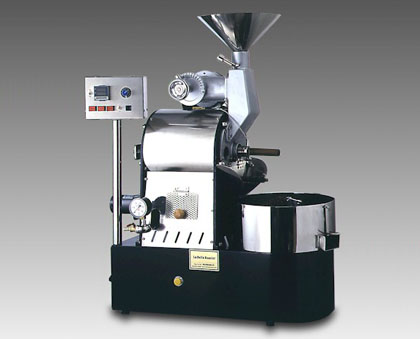
The evolution history of coffee roaster
As early as the 13th century, the Arabs invented to put coffee beans in a pot, stir-fry them with fire, grind them into powder, and then brew coffee. The early Arabs liked to bake the beans shallowly and boil them with spices such as cardamom. Later, this coffee stir-frying method spread to Syria, Turkey and Egypt, where it was used to stir-fry the coffee black, then grind it into powder and add it.
About the history of coffee roasters
The history of coffee roasters as early as the 13th century, the Arabs invented to put coffee beans in a pot, heat and stir-fry them, then grind them into powder, and then brew coffee. The early Arabs liked to bake the beans shallowly and boil them with spices such as cardamom. Later, this method of stir-frying coffee spread to Syria, Turkey and Egypt, where it was used to stir-fry coffee black.
Introduction to the Roaster Museum
Since the mid-19th century, coffee-roasting technology has evolved from the simplest home stove with a pan to today's giant computer-controlled automated roasting equipment (which can roast nearly five tons of coffee beans per hour).

Characteristics of Kenyan coffee beans Kenyan coffee beans from Kenyan coffee producing areas
It entered Kenya in the 19th century, when Ethiopian coffee drinks were imported into Kenya through southern Yemen. But it was not until the early 20th century that the bourbon was introduced by the St. Austen Mission (St.AustinMission). Kenyan coffee is mostly grown at an altitude of 1500m, 2100m, and is harvested twice a year. To ensure that only ripe berries are picked, people must be in the forest

The history of coffee roaster basic knowledge of coffee
As early as the 13th century, the Arabs invented to put coffee beans in a pot, stir-fry them with fire, grind them into powder, and then brew coffee. The early Arabs liked to bake the beans shallowly and boil them with spices such as cardamom. Later, this coffee stir-frying method spread to Syria, Turkey and Egypt, where it was used to stir-fry the coffee black, then grind it into powder and add it.
Basic knowledge of boutique coffee roasting Yang family roaster coffee roaster Italian blending
The idea of roasting coffee over fire probably came from Ethiopia in the 13th century. In the following 700 years, people did not make much improvement to the roasting techniques of coffee. At that time, most people baked coffee at home or in coffee shops and made coffee directly from freshly baked beans. It was not until the mid-19th century that cylindrical coffee roasters were invented. From the first opening
The international history of coffee industry introduces how the bubble of Brazilian coffee economy ended.
For professional baristas, please pay attention to the bubble economy caused by coffee in the coffee workshop (Wechat official account cafe_style) in Brazil at the beginning of the 20th century. Large-scale coffee production in Brazil began in the 19th century due to a price collapse due to mass production of coffee. Coffee is grown in Rio de Janeiro, Minas Gerais, S ã o Paulo and traded everywhere. Brazil became enslaved and cultivated